Athangudi Tiles

The floor begins the welcome

Handmade Athangudi cement tiles are non-fired decorative tiles formed on glass, where colour and pattern are composed by hand using cement, graded sand, mineral oxides, and water. Each piece carries vivid colour and the gentle variation of its making.

Heritage, Set Beneath Every Step

Told by Chithira Kili

The handmade tiles of Athangudi belong to the material language of Chettinad. Artisans compose colour and pattern on glass with metal moulds, mineral oxides, cement, sand, and water in a patient process closely associated with Chettiar interiors.

Tri-Lotus carefully selects each pattern for the room it will anchor, considering motif, border, scale, and tone. The result is more than a surface: a floor with warmth, rhythm, and provenance, bringing a living piece of Chettinad craft heritage into everyday life.

Chithira Kili speaking
“Step softly. Every pattern here remembers a hand.”
Pattern Guidance

An Athangudi floor creates a welcoming sense of movement and place. Choose by mood, colour, border, or room feeling, and the atelier will shape a sample path around your space.

Ask for pattern guidance
Mini and Full Sample Kits

Two sample-kit formats help you experience the colour, surface, weight, and gentle handmade variation of Athangudi cement tiles before planning a larger floor.

Compare the two sample kits
Chithira Kili holding an Athangudi tile pattern beside the Athangudi composition

Kili follows the pattern

Read the rhythm beneath your feet

A border welcomes you in, a repeating motif sets the room's pace, and gentle handmade variation keeps every passage alive. The practical details continue just ahead.
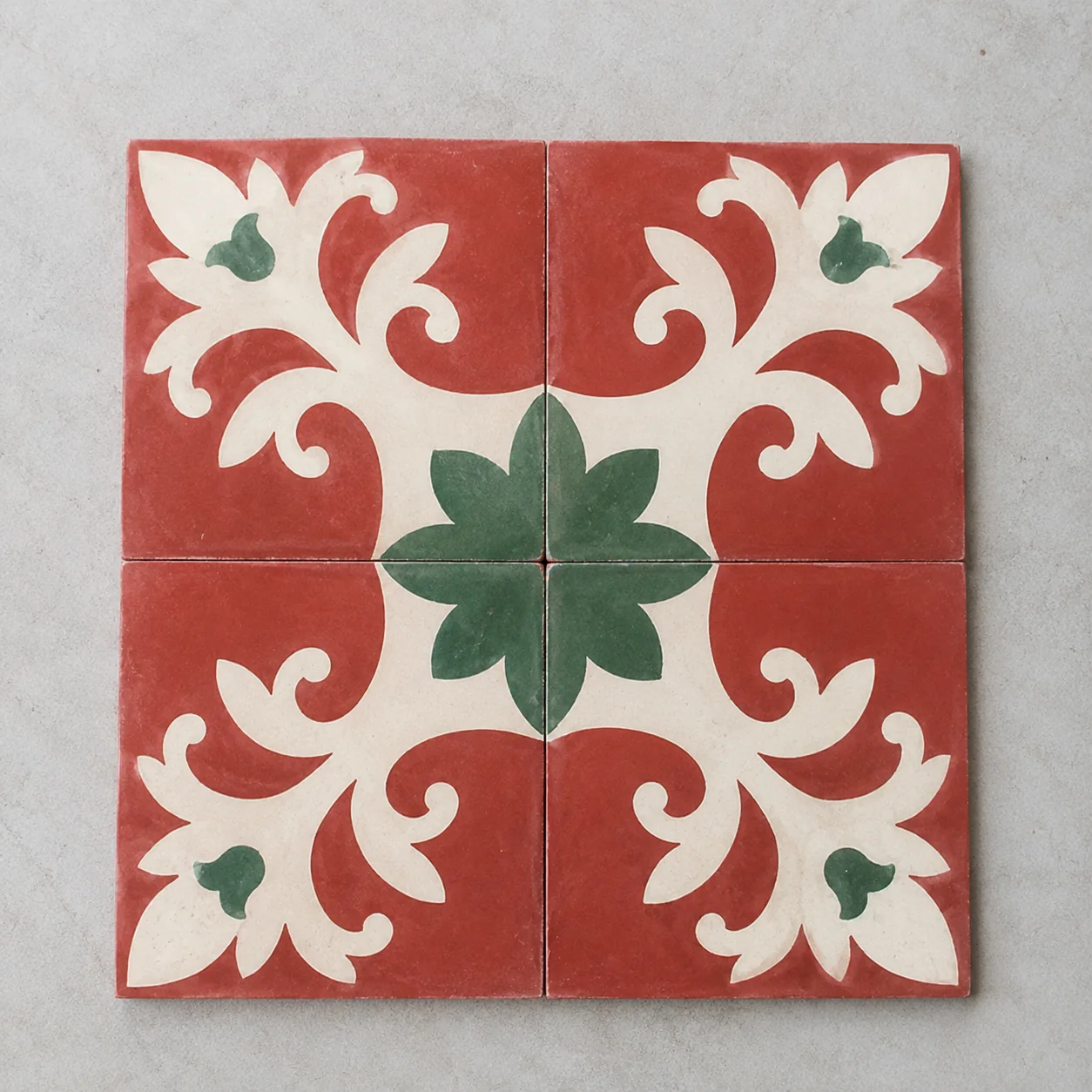
A close view of a four-tile Athangudi floral medallion
Hand-composed colour and a complete four-tile repeat

From Colour to Cure

Made by hand, composed as a complete floor

Each non-fired cement tile begins face-down on glass. A metal divider holds the motif while the decorative colour layers are placed by hand, followed by the cement and graded-sand body. The tile is then formed, water-cured, hand-finished, and reviewed as part of its selected batch.

Set the motif

A metal pattern divider establishes the geometry on glass.

Place the colour

Mineral colour is composed by hand within the pattern.

Form the body

Cement and graded sand give the tile its working depth.

Cure and finish

Water curing and hand finishing prepare the surface for review.

Plan the Whole Composition

Field, repeat, border, and corner belong together

Room dimensions, thresholds, focal axes, cuts, and adjoining finishes shape the layout before quantity planning begins.

  • Field tile
  • Repeat
  • Border
  • Corner
  • Skirting
Share Your Room Plan
Cover of the Tri-Lotus Chithiram Athangudi Palace Collection catalogue
57-page collection catalogue

Athangudi Palace Collection

A complete pattern language for considered interiors

The collection brings together 12 field designs and four border systems across Heritage Florals, Chettinad Geometry, Contemporary Monochrome, and Courtyard Signatures. Use it to explore pattern, repetition, borders, corners, and complete room compositions.

Orient the Collection

From one tile to the rhythm of a complete room

Twelve field designs and four border systems offer a focused starting point for floors that feel composed at every scale. Each direction is considered through its motif, repeat, border, matching corner, and relationship with the room.
12
Field designs
4
Border systems
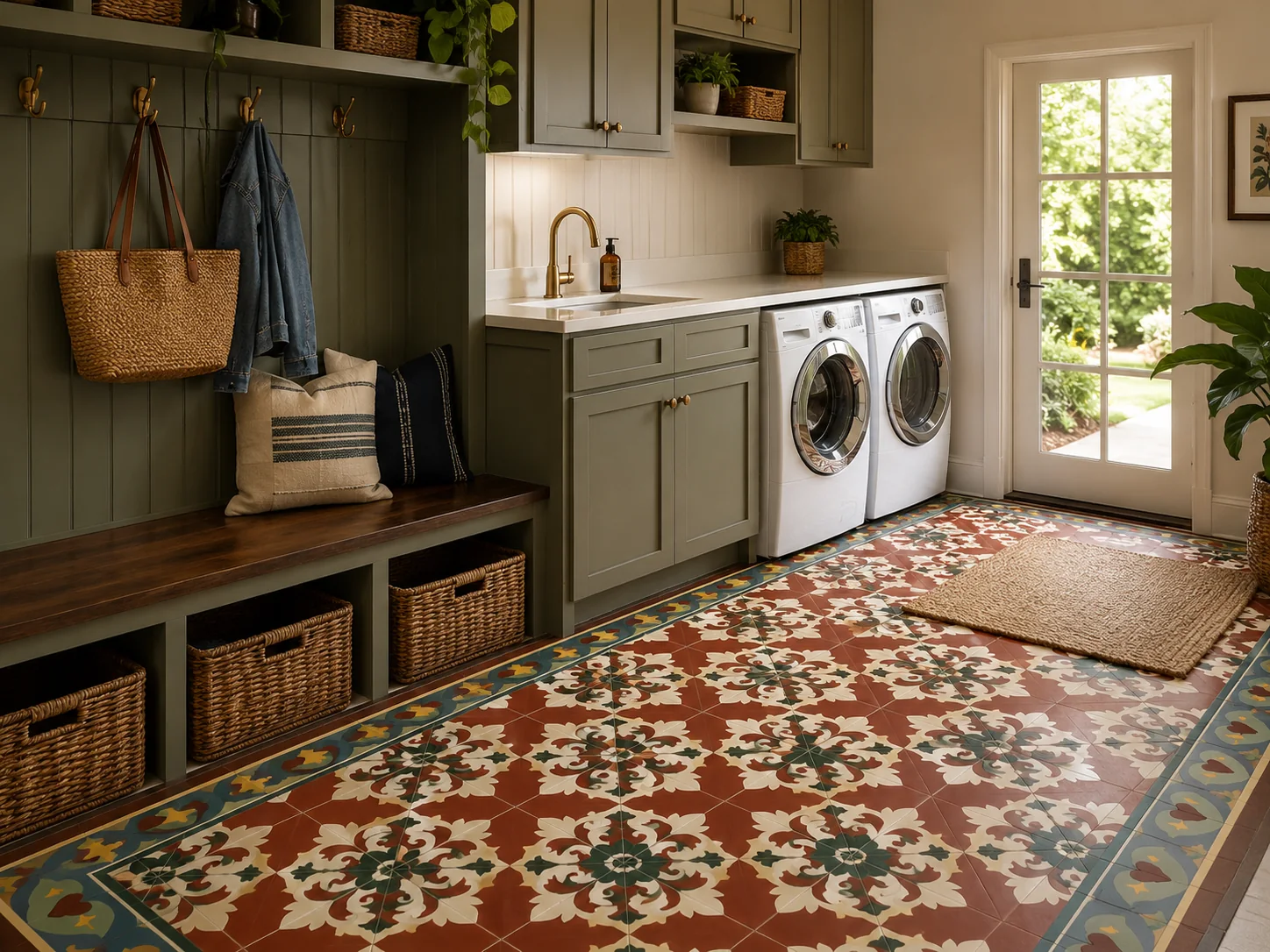
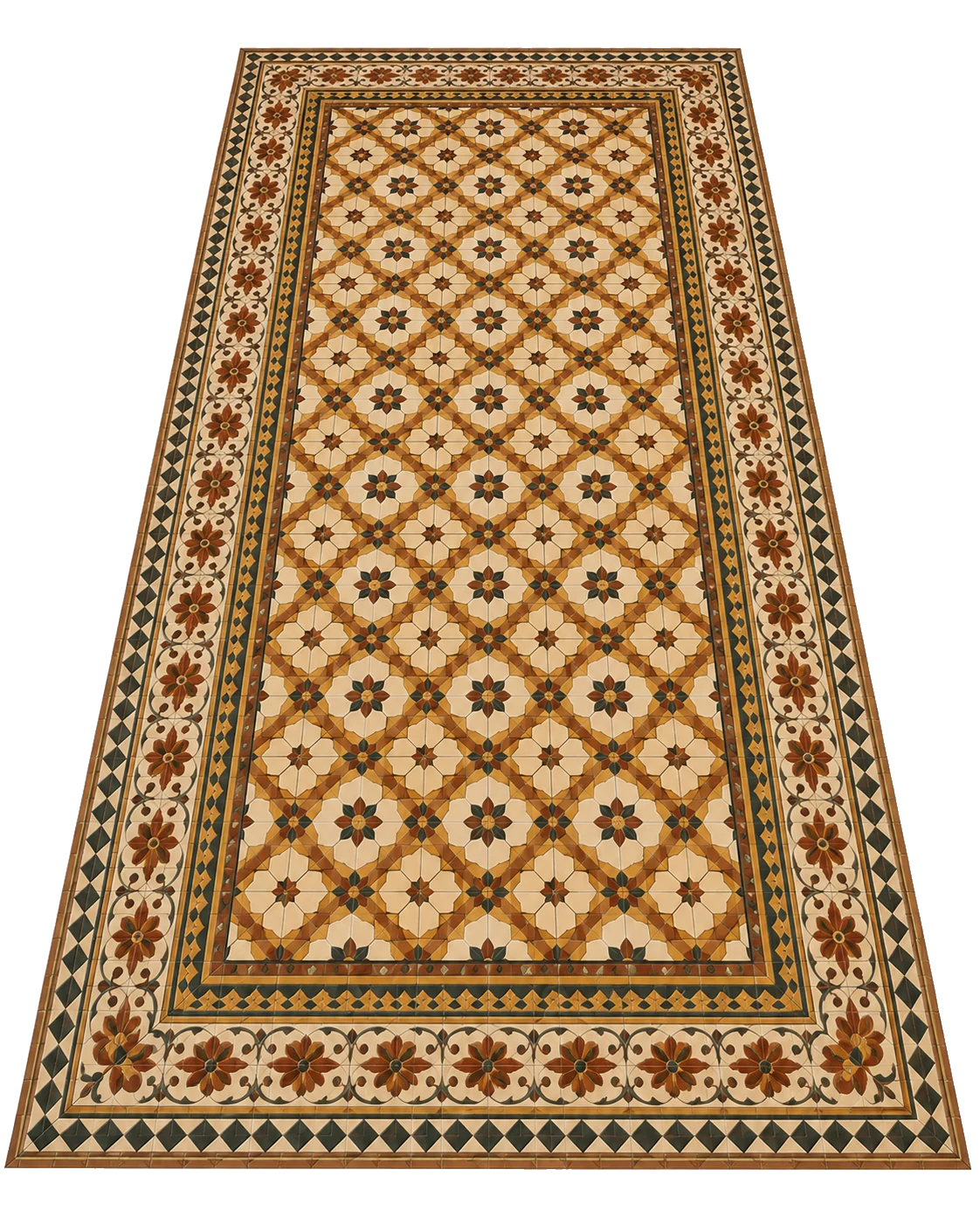
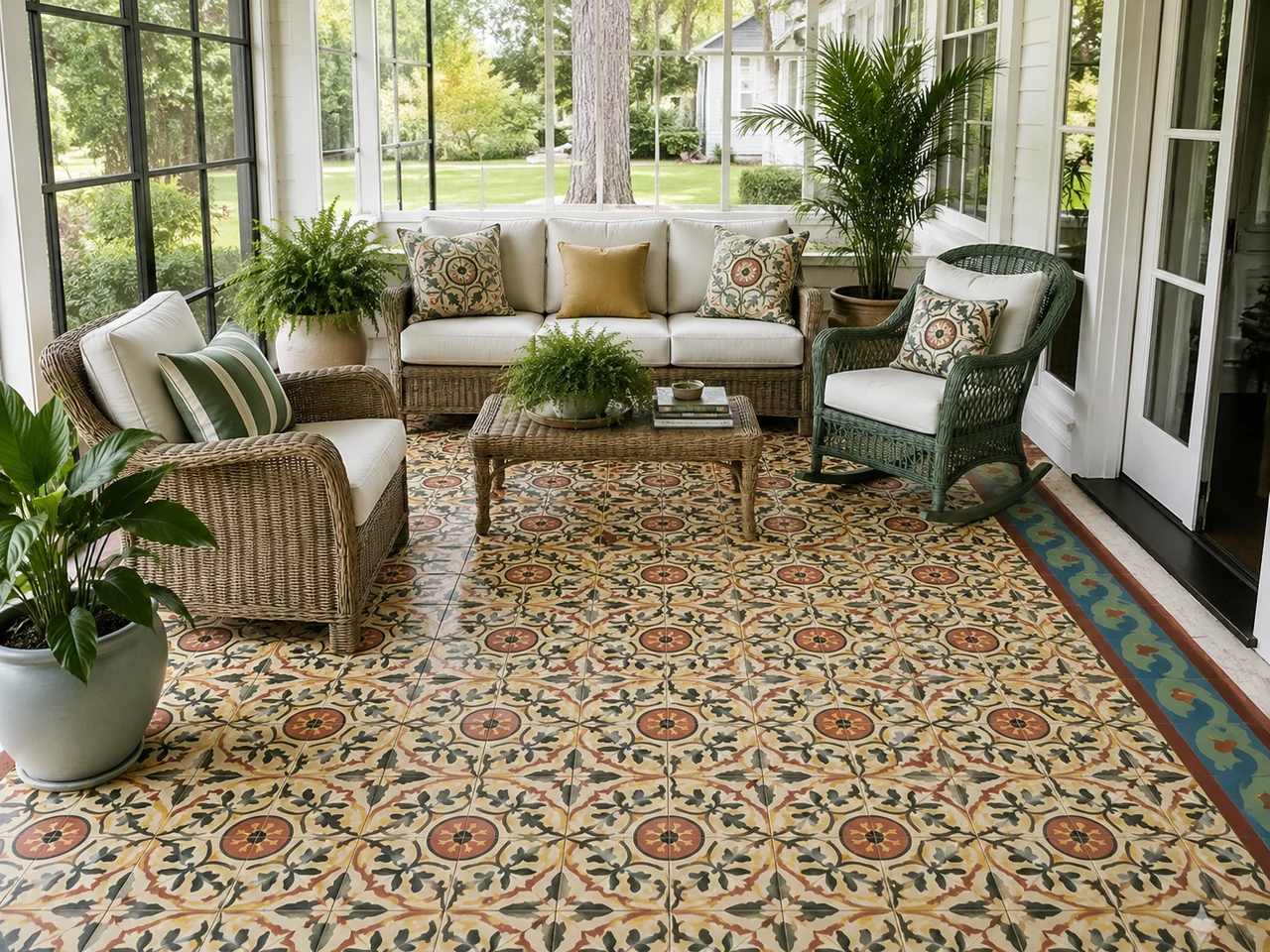
Layered floral Athangudi floor representing Heritage Florals
Heritage Florals
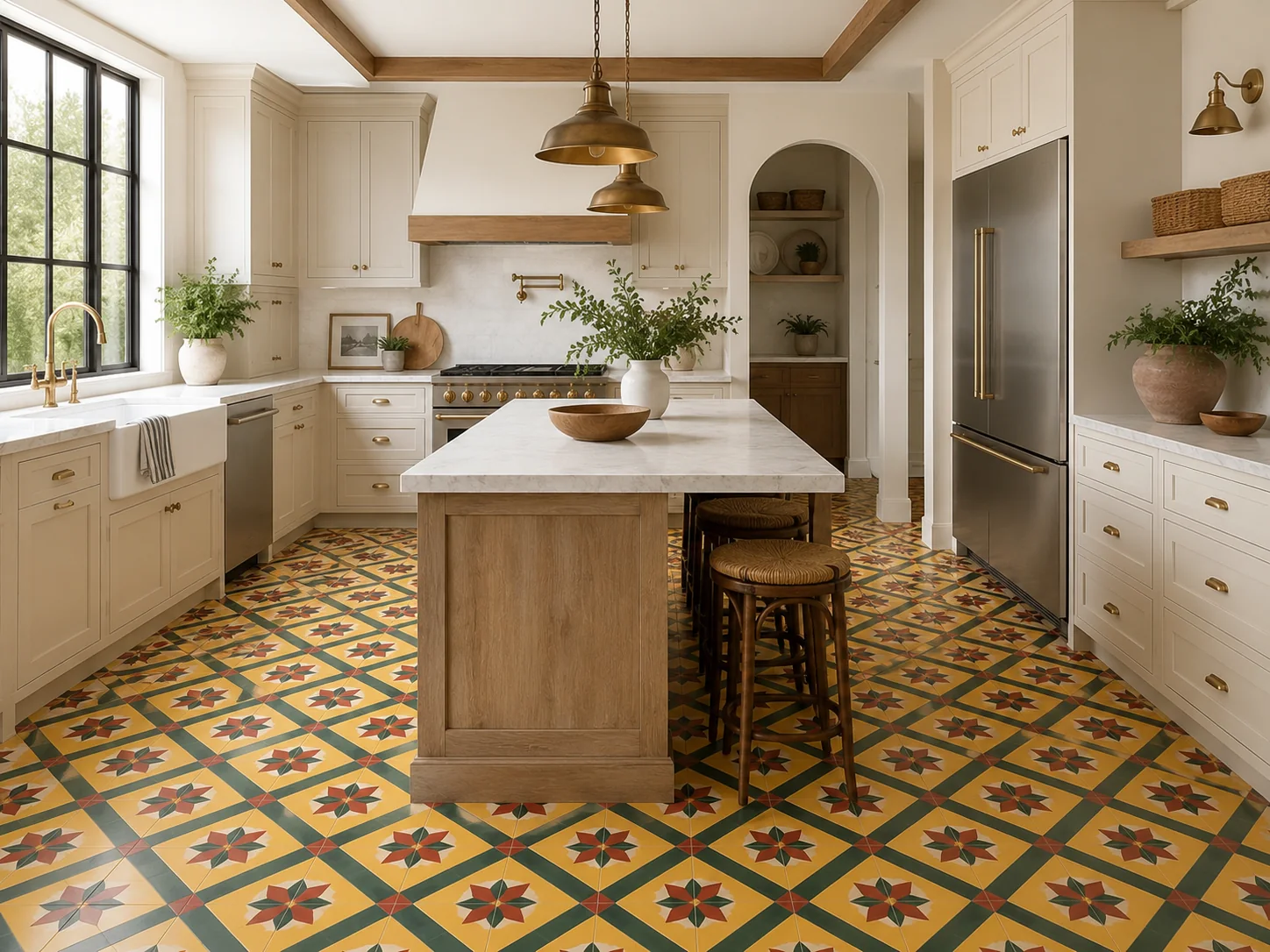
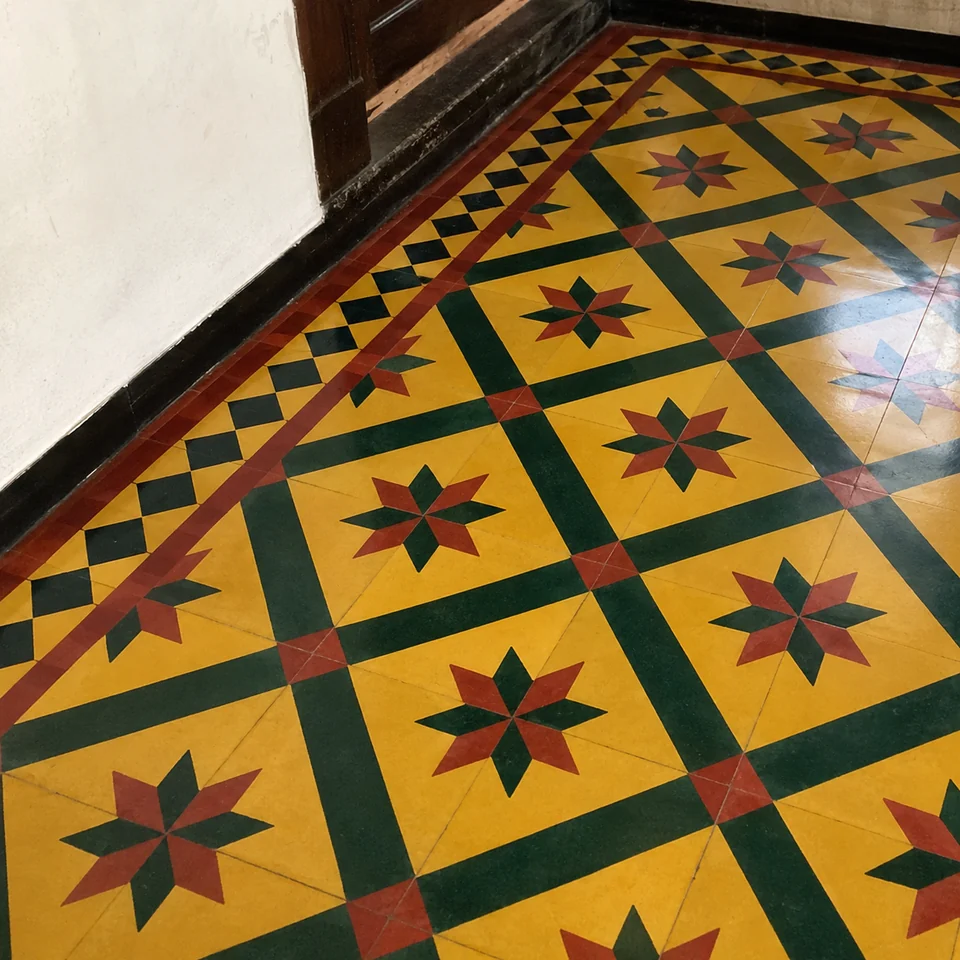
Geometric star Athangudi floor representing Chettinad Geometry
Chettinad Geometry
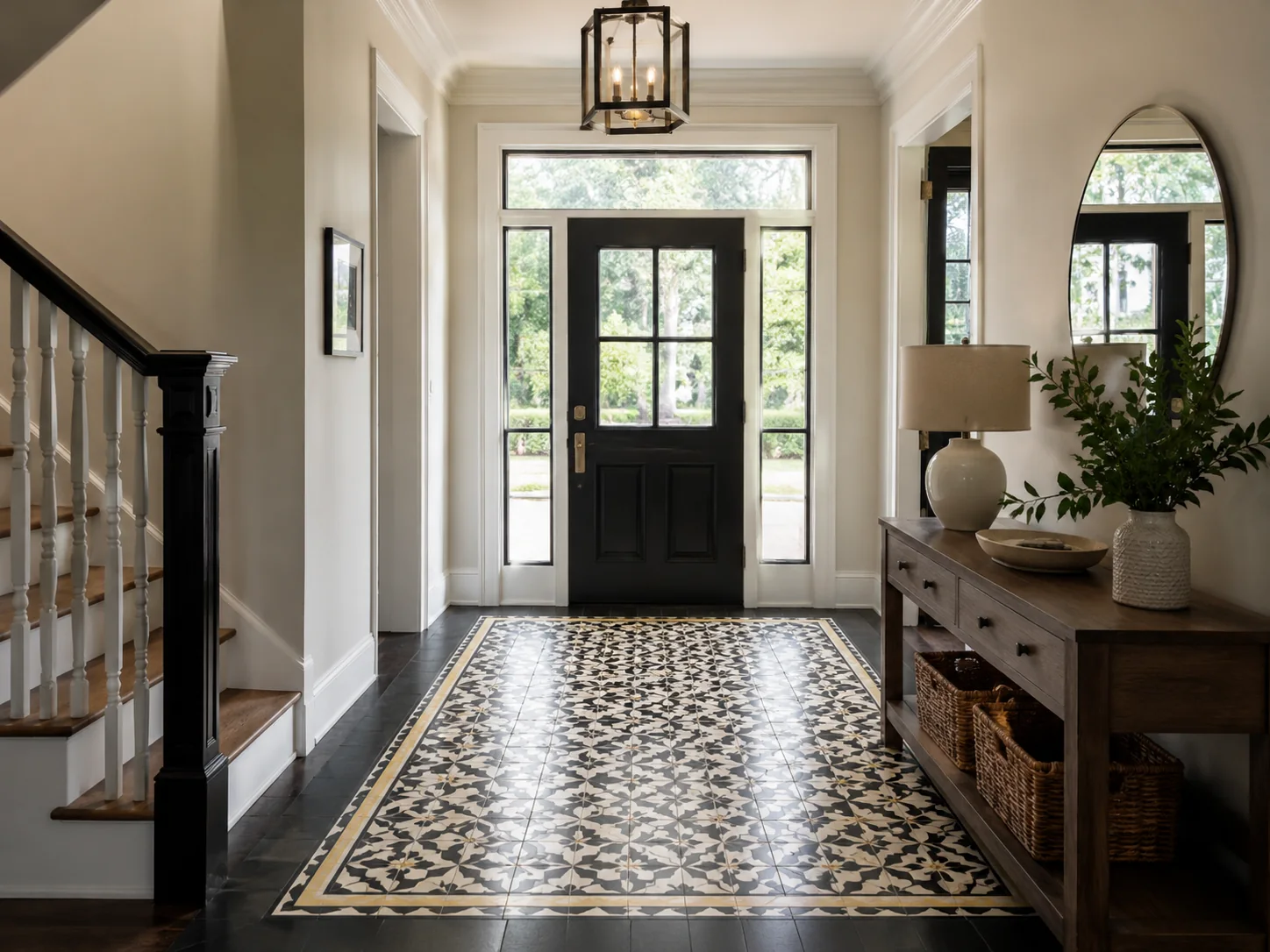
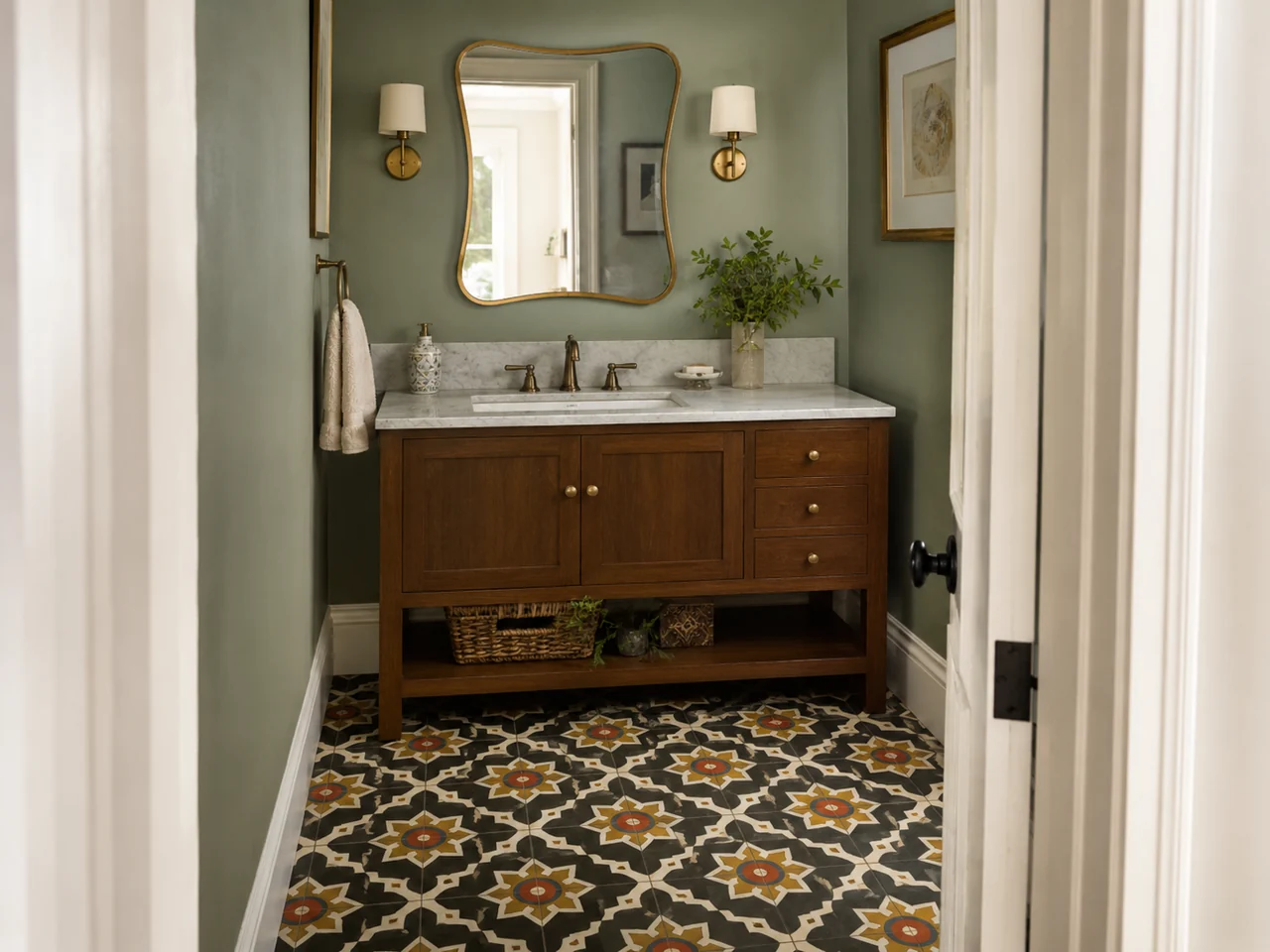
Black and ivory Athangudi entrance representing Contemporary Monochrome
Contemporary Monochrome
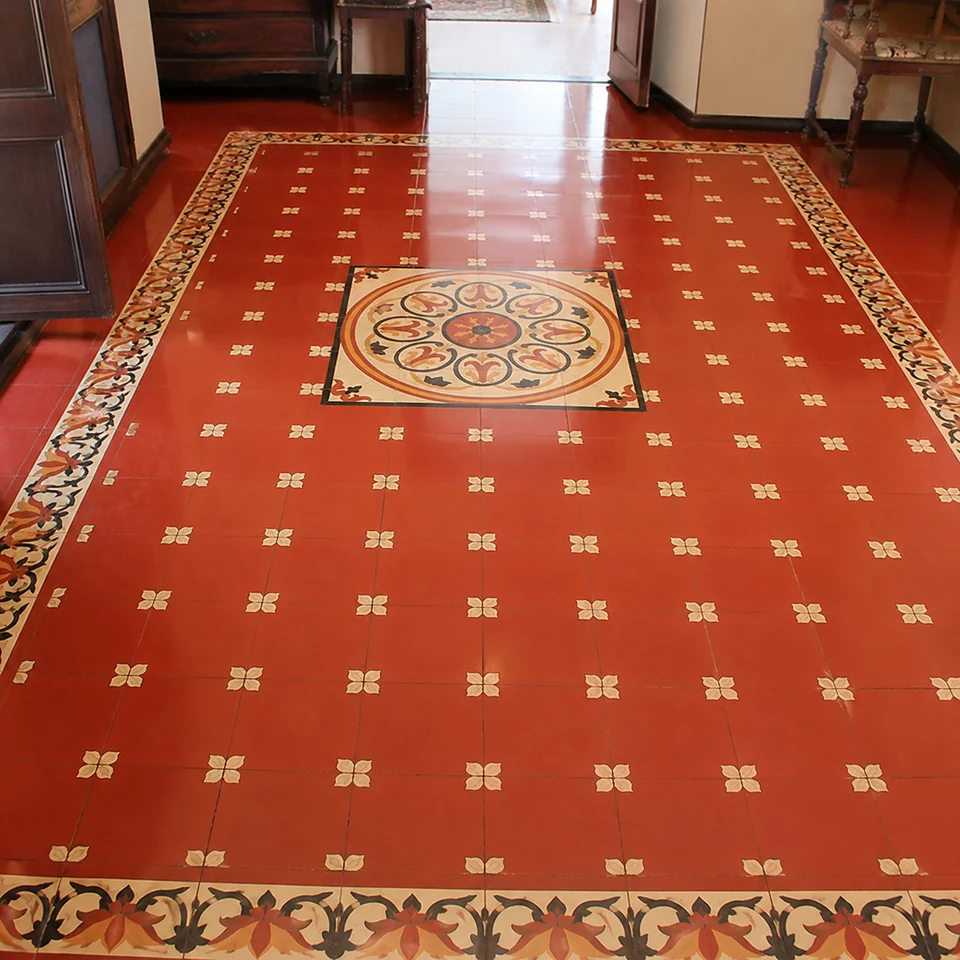
Red bordered Athangudi floor representing Courtyard Signatures
Courtyard Signatures

See the Pattern Grow

Read scale before selecting the room direction

  1. Single tile Motif and colour
  2. Four-tile repeat The first full composition
  3. Sixteen-tile layout Rhythm and visual density
  4. Complete room Field, edges, thresholds, and light

Compose the Whole Floor

Field, border, and matching corner belong together

Share the dimensions, thresholds, focal points, and adjoining finishes. The atelier will shape a field and border direction around the architecture of your space.
  • Field
  • Border
  • Matching corner
Share Your Room Plan

Technical Specifications

Material, format, installation, and project coordination

A practical architectural schedule for early design work, sample review, floor build-up, quantity planning, and the selected production batch.

Field Tile200 × 200 mmNominal 8 × 8 in format
Field Tile250 × 250 mmNominal 10 × 10 in format
Tile Thickness18–20 mmSelected batch confirmed
Calculated CoverageApprox 25 or 16 tiles/m²For 200 or 250 mm formats before cuts and waste
Origin
Athangudi, Chettinad, Tamil Nadu, India.
Nominal Field Formats
Approximately 200 × 200 mm, or 8 × 8 in, and 250 × 250 mm, or 10 × 10 in. Availability is confirmed with the selected pattern.
Borders and Corners
Matching borders and corner pieces are planned around the selected field pattern. Available formats are confirmed with the pattern and room layout.
Nominal Thickness
Approximately 18–20 mm. Floor build-up must allow for the confirmed production thickness.
Composition
Handmade, non-fired cement tile formed with cement, graded sand, mineral oxides, and water, with the decorative colour layers composed by hand.
Making and Curing
A metal pattern mould guides coloured cement layers laid by hand on glass. The cement and sand body is formed, hand-finished, water-cured, and inspected before selection.
Surface and Finish
The glass-formed face carries rich mineral colour and natural shade variation. The finishing and sealing sequence is coordinated with the installation method and intended use.
Handmade Edge Character
Gentle variation in edge, dimension, colour, and surface is part of the handmade character. A control sample and dry layout establish the accepted visual range before fixing.
Recommended Settings
Interior floors and walls, restaurants, villas, boutique stays, and cultural spaces. Covered exterior and courtyard applications may be considered subject to climate, selected batch, installation system, and project review. Freeze-thaw exterior use is not offered without appropriate testing. Continuously immersed and steam settings call for a material system designed for those conditions.
Substrate and Floor Build-Up
Use a level, stable, prepared substrate. Coordinate the confirmed 18–20 mm tile with the setting bed, thresholds, drains, doors, and adjoining finishes.
Layout and Joints
Dry-lay and blend tiles before fixing. Joint width, field alignment, repeats, border transitions, perimeter conditions, and movement joints follow the control sample, substrate, and room layout.
Grout Direction
Use a light, neutral cement-based grout suited to cement tiles. Dark or highly pigmented grout is avoided unless the selected tile and sealer are tested together first.
Sealing and Care
Seal before grouting, after grouting, and periodically in use. Clean with a damp mop and gentle pH-neutral product; keep acidic and abrasive cleaners away from the surface.
Quantity Allowance
Plan approximately 15% above the measured field quantity for cuts, pattern placement, handmade selection, and a small future-care reserve.
Installer and Final Finish
Use a finisher experienced with cement tiles, natural stone, or terrazzo. Final finishing follows the supplied tile and site condition without aggressive grinding or acid cleaning.

Chithiram Downloads

Prepare your download

Share a few details before opening the selected file.

Select a city to see the matching pincode rule.